
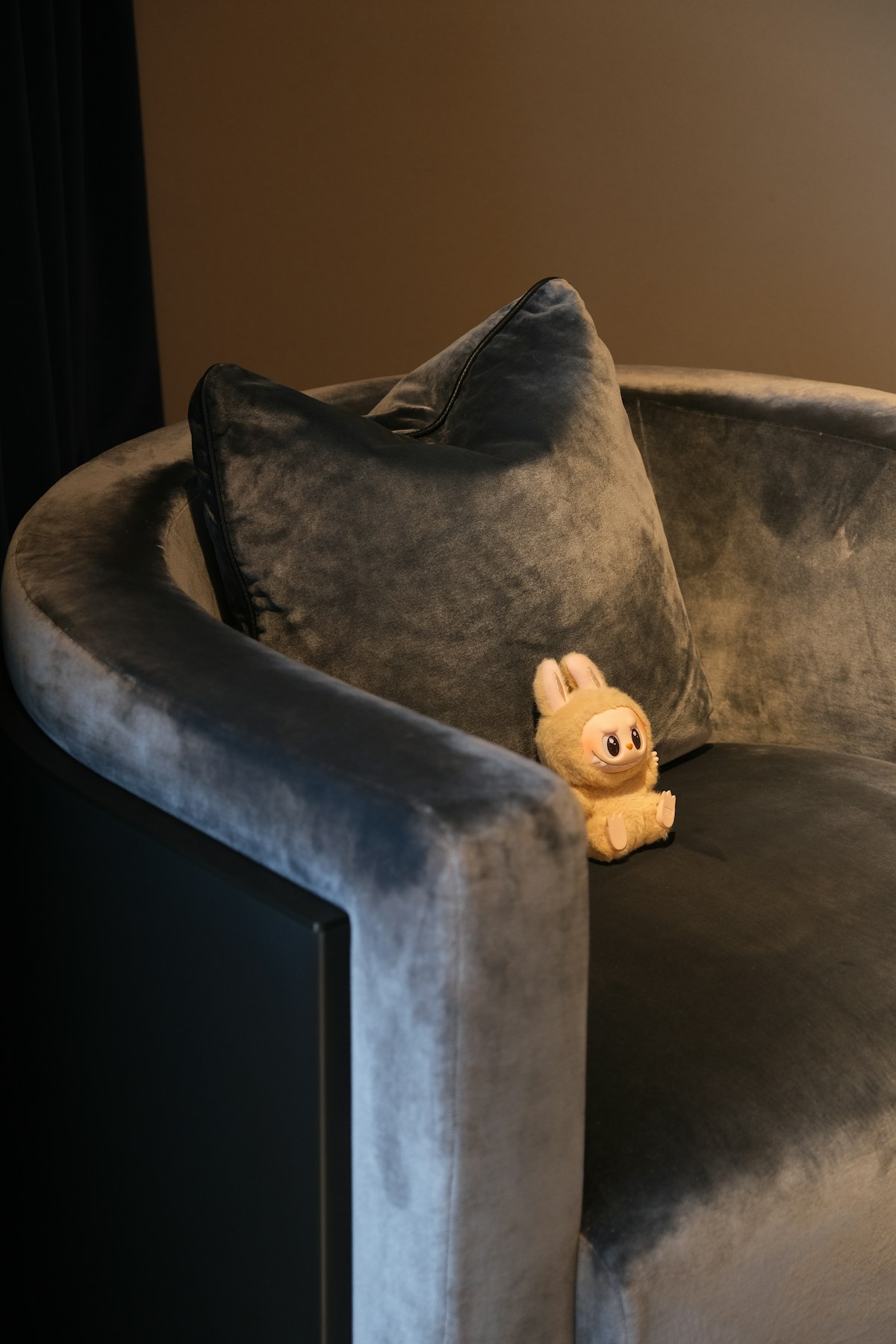
On March 25, 2026, Pop Mart reported the kind of numbers most companies dream about: ¥37.12 billion in revenue (up 185%), ¥13.01 billion in net profit (up 293%). The market's response? A 22% single-day crash that wiped $8 billion off the company's market cap. Welcome to the paradox of hyper-growth stocks.

The Math Behind the Massacre
Here is what Wall Street actually punished:
- Q4 deceleration: Full-year revenue of ¥37.12B came in slightly below the ¥38B consensus. The miss was small, but the trend line mattered—Q4 growth slowed materially versus Q3's sprint.
- Labubu concentration: The Monsters (Labubu) generated ¥14.16 billion—38.1% of total revenue, up from 23% the prior year. That is not diversification; that is doubling down on a single character.
- Dividend cut: Payout ratio dropped to 25% from 35%, signaling the company wants to reinvest rather than return cash.
- Guidance: Management guided for "no less than 20%" growth in 2026. After 185%, "only" 20% feels like slamming the brakes.

What Collectors Should Actually Care About
Stock charts do not tell you whether your shelf was worth it. But they do signal something important: if Pop Mart's share price stays depressed, the company may slow store openings, reduce marketing spend, or become more conservative with new IP launches. That eventually touches what you can buy and where.
The flip side: a cheaper stock could attract activist investors or acquisition interest, which historically accelerates IP licensing deals.

Our Take
Pop Mart did not fail. The market simply repriced expectations. A company growing 20% with ¥13 billion in profit is not in trouble—it is just no longer priced for perfection. For collectors, the toys do not care about the ticker. Buy what you love, from sellers you trust.
Browse authenticated collectibles in our shop.
Sources: Reuters, Financial Express, TradingView. Not investment advice.