
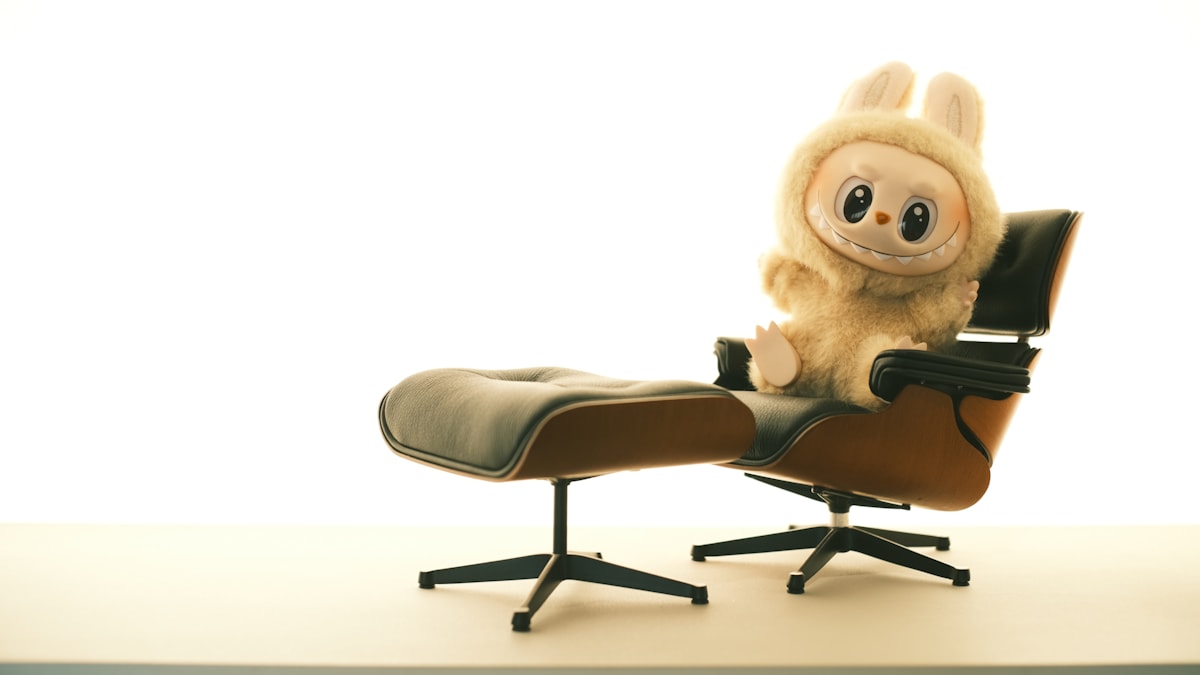
Two years ago, most American shoppers had never heard the word "Labubu." Today the elf-eared plush sits in the handbags of Rihanna, Dua Lipa, and Kim Kardashian—and Pop Mart's Americas revenue exploded 1,142 % year-on-year in the first half of 2025, hitting $315 million in just six months. That is not a typo. It is the fastest cultural import the U.S. toy market has seen since Pokémon cards in the late 1990s.

The Lisa Spark That Lit the Fire
In April 2024, BLACKPINK's Lisa posted an Instagram story cradling a Labubu to her 106 million followers. It was not a paid ad. That single organic moment did what no marketing budget could buy: it made a niche Chinese designer toy feel like a global fashion accessory overnight. Before Lisa, you could walk into a Pop Mart store and browse at leisure. After Lisa, queues wrapped around city blocks from Bangkok to New York.
The domino effect was staggering. Rihanna was spotted with one at a Fenty event. David Beckham posted his collection. TikTok exploded with 1.4 million unboxing videos. Labubu blind boxes, originally $27.99, began reselling for 10× retail on StockX and Mercari.

From Pop-Up to 120 Stores
Pop Mart is not treating America as a test market anymore. In January 2026, the company signed a deal with Simon Property Group—the largest mall operator in the U.S.—to open 20+ new stores across premium locations from King of Prussia, PA to Brea Mall, CA. Analysts project the North American footprint will hit 120 stores by end of 2026, up from roughly 30 a year earlier.
The company also planted its U.S. headquarters in Culver City, California in March 2026—a deliberate choice that puts it in the heart of entertainment and content creation, not just logistics.
Why America Is Different
In Asia, blind-box culture has a decade of infrastructure: vending machines in subway stations, dedicated floors in department stores, and a collector community that trades on WeChat. America has none of that. What it does have is TikTok virality, mall foot traffic that craves experiential retail, and a "kidult" demographic (adults 18–35) that already spends $9.4 billion annually on toys.
Pop Mart is essentially building the infrastructure and the demand simultaneously. That is either visionary or reckless—and the stock market cannot decide which.

The Bottom Line for Collectors
If you are in the U.S. and collecting Labubu, the good news is access is about to get dramatically easier. The bad news? So will competition for limited editions. The window where you could casually grab a secret figure is closing fast.
For authenticated Labubu Box and other designer plush without the queue chaos, browse our shop.
Sources: Inside Retail Asia, Reuters, Will Francis. Editorial analysis; not investment advice.